


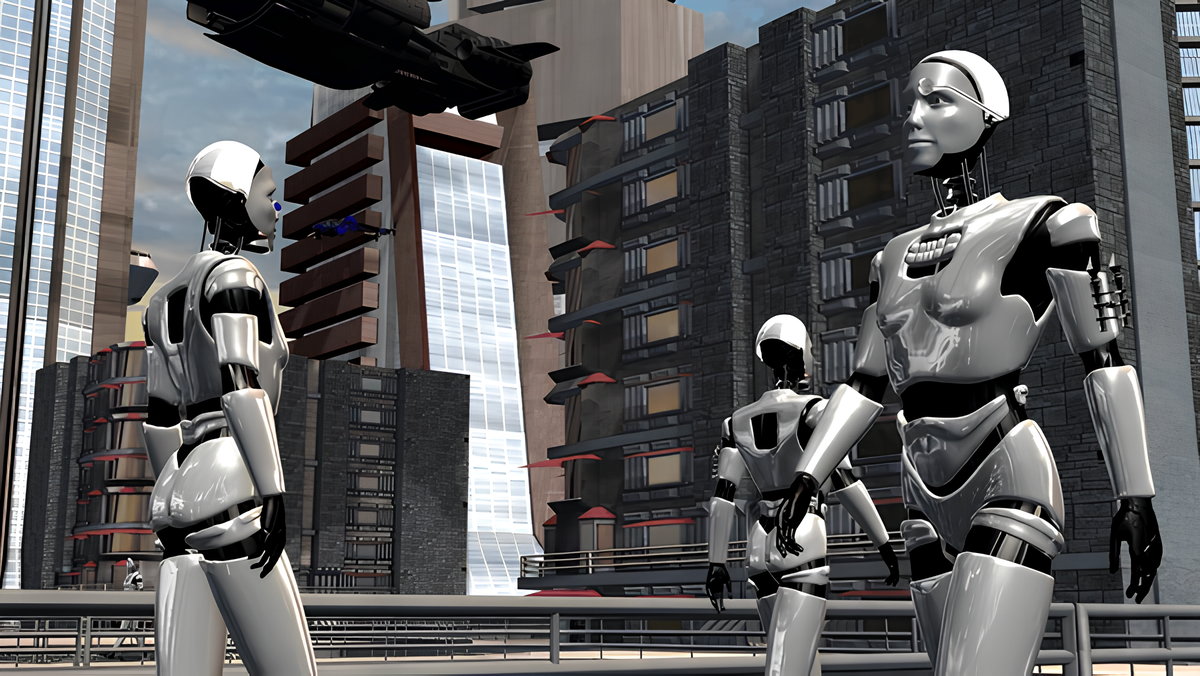
Discover how AI construction and robotics are solving the labor shortage in the USA. Learn how Xhome uses automation and prefab technology to build homes faster and more efficiently.
Introduction
The United States is facing one of the most severe construction labor shortages in modern history. Skilled workers are aging out, fewer young people are entering the trades, and post-pandemic demand for new housing continues to rise. According to industry data, the U.S. needs over 500,000 additional construction workers just to keep pace with需求 — a gap that traditional methods simply cannot fill.
But a new solution is emerging:
AI and robotics are redefining how America builds.
From automated production lines to AI-powered design systems, companies like Xhome are demonstrating how technology can help overcome the labor shortage while improving speed, quality, and affordability.
1. The Construction Labor Shortage in the USA: A Growing Crisis
The labor shortage in the USA isn’t just a workforce issue—it’s a housing crisis multiplier. Limited labor leads to:
- Longer project timelines
- Higher construction costs
- Slower housing delivery
- Reduced availability of entry-level homes
Traditional construction relies heavily on manual work performed outdoors, often in harsh conditions. The next generation of workers is choosing tech-driven careers instead, leaving the labor pool thin and aging.
To meet future demand, the construction industry must evolve—and AI construction is leading the way.
2. AI Construction: Designing Homes Faster and Smarter
AI is transforming the earliest stage of construction: design and planning.
Xhome uses advanced AI design engines to:
- Generate optimized floor plans instantly
- Produce material lists and engineering drawings in minutes
- Predict structural loads and energy performance
- Customize layouts for customer preferences
This level of automation eliminates weeks of manual drafting and reduces human error — enabling architects, engineers, and developers to work at a speed never before possible.
AI-driven design is not replacing humans; it’s amplifying human expertise by automating repetitive tasks and freeing professionals to focus on creativity and quality.
3. Robotics in Housing: Precision, Speed, and Reliability
Robotics is reshaping how homes are physically built.
Inside Xhome’s automated manufacturing system, robots perform tasks traditionally done by large construction crews:
- Cutting and welding light-steel framing
- Assembling composite wall panels
- Installing insulation with millimeter-level accuracy
- Managing repetitive, heavy, or hazardous tasks
- Conducting real-time quality inspections
This ensures:
- Consistent quality across every unit
- Faster production with reduced downtime
- Safer work environments
- Lower waste and material loss
Compared to field construction, robotics in housing can reduce the need for human labor by 40–60%, while increasing precision to levels impossible to achieve on outdoor job sites.
4. Prefab + AI + Robotics: The Future of American Homebuilding
The most transformative impact happens when AI, robotics, and prefab construction work together.
Xhome’s factory-based approach shifts the building process from unpredictable job sites to controlled industrial environments. AI manages design, robotics executes production, and skilled workers oversee the technology.
Results include:
- 70% faster project delivery
- Significantly lower labor requirements
- Higher hurricane, earthquake, and fire resistance
- Predictable cost, schedule, and quality
In a market suffering from a labor shortage, this model enables developers and municipalities to build more homes, more safely, and more affordably.
5. Solving the Labor Shortage Is Not About Replacing Workers — It’s About Reinventing Work
A major misconception is that robotics eliminates jobs.
In reality, AI and robotics fill labor gaps that no longer have workers, while creating new high-tech roles in:
- Robotics maintenance
- AI system supervision
- Digital design
- Manufacturing operations
Instead of 20 people doing heavy field labor, you now need 5 skilled operators running automated systems. This shift creates a more attractive career path for younger generations and revitalizes the construction workforce with technology-oriented roles.
Conclusion
The labor shortage in the USA is real — and it’s reshaping the future of housing. But rather than slowing down the industry, it is triggering a long-overdue transformation.
With AI construction tools, robotics in housing, and industrialized prefab manufacturing, companies like Xhome are proving that America can build faster, smarter, and better — even with fewer traditional construction workers.
The future of homebuilding is not just automated;
it’s intelligent, precise, and highly scalable.


